A Drone That Spots Crop Stress Before the Human Eye Can: AI in the Field
Drone-based computer vision can catch plant disease and water stress weeks before they're visible to the naked eye. Here's how that's changing what it means to farm.
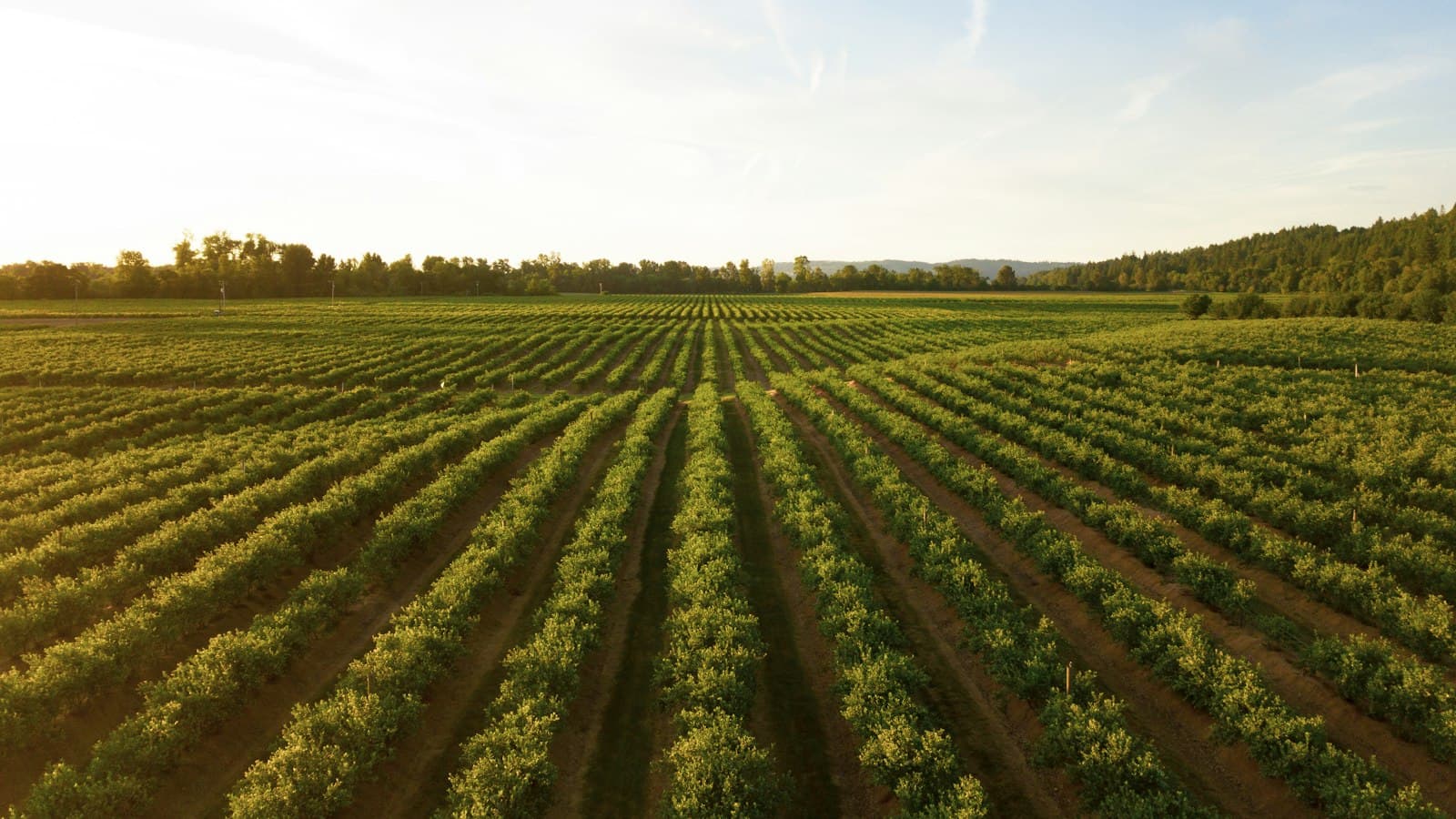
A farmer walking through a field notices a problem once leaves start yellowing, texture changes, or growth visibly slows. The issue is that by that point, water stress or disease has usually been progressing for days, sometimes weeks. By the time there's time to react, part of the harvest is often already compromised.
That's exactly the delay drone-based computer vision is built to eliminate.
Seeing what the human eye can't yet
Precision agriculture sensors don't stop at visible light. By combining multispectral imagery with deep learning models trained specifically on crop data, a system like DronIA, built by the Tunisia-based team at Galylio, can detect signs of water stress or disease well before they become visible to the naked eye — sometimes days or even weeks ahead, depending on the crop and the issue.
In practice, the drone flies over a plot, captures high-resolution imagery across multiple spectral bands, and a trained AI model analyzes that data to flag localized anomalies: a zone absorbing infrared light differently, an unusual thermal signature, patterns that historically precede known diseases.
Why early detection changes everything
In agriculture, timing is almost always the deciding factor. A treatment applied at the first signs of disease can save an entire plot. The same treatment applied two weeks later, once symptoms are visible, often arrives too late to prevent a meaningful yield loss.
Early detection also enables a more targeted approach: instead of treating an entire field preemptively, a farmer can act specifically on zones flagged as at-risk. That's a double benefit — economic, because it reduces the volume of inputs used, and environmental, because it limits pesticide and water use to the areas that actually need it.
The real challenge isn't the technology — it's local adaptation
A common pitfall in agtech: deploying a model trained on US or European data directly onto crops grown in different soil, climate, and varieties. Results are usually disappointing, because the "generic" model doesn't understand local specifics.
It's a similar problem to what shows up across other industries — a model trained on your own data produces results you can act on directly, while a generic model improvises. In agtech, that means training specifically on local crops, Tunisian climate conditions, and the diseases that actually affect the region.
What this actually means for a working farm
Beyond disease detection, this kind of system allows a farmer to:
- Map water stress across an entire plot, not just the areas physically inspected
- Prioritize interventions based on actual severity, not a partial visual inspection
- Track changes over time, with regular flyovers building a usable history for future seasons
- Reduce input costs by targeting precisely the zones that need treatment
Tunisian agritech has a real card to play
Tunisia's agricultural sector remains a significant part of its economy, but faces structural challenges: growing water stress, climate variability, and economic pressure on farmers that leaves little room for avoidable crop losses.
AI-based early detection tools don't replace generations of accumulated farming knowledge — they extend it, giving farmers visibility they simply didn't have before. For a sector where every season counts, this is a shift in scale worth taking seriously, alongside the other sector-specific solutions Galylio has built for fintech, healthcare, and e-commerce.
The question isn't whether AI belongs in Tunisian agriculture anymore — it's how much of a lead the farms adopting it now will build over the ones that wait.
You might also like
 E-commerce & Deals
Buying a Phone or Appliance in Tunisia: The Method for Not Overpaying
Prices swing wildly between stores, and 'deals' aren't always what they look like. Here's a simple method for comparing effectively before a major electronics purchase.
 SEO & E-commerce
GEO: Why ChatGPT Cites Some Websites and Completely Ignores Others
Generative Engine Optimization isn't just SEO with a new name. Here's what actually determines whether a site gets cited by ChatGPT, Perplexity, or Gemini — and how to prepare for it.