Cybersecurity and Cloud: The Certifications That Actually Open Doors in 2026
AWS, CompTIA, Azure — not all certifications carry the same weight with employers. Here's how to tell the difference and build an actual career path instead of a pile of badges.
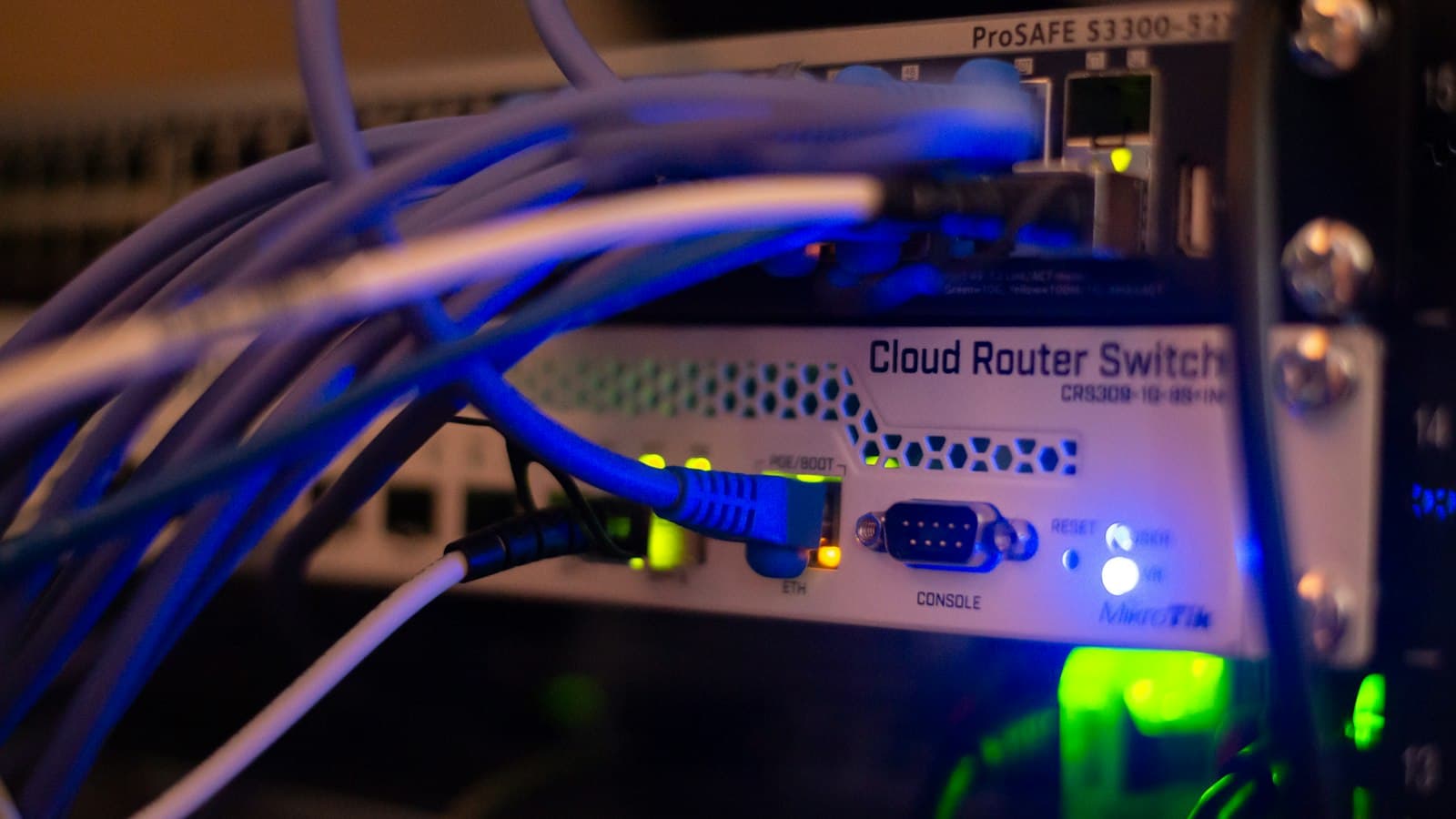
One question comes up constantly among people considering a switch into cybersecurity or cloud: "which certification should I start with?" The honest answer is that there's no universal certification — there are coherent career paths, and there are piles of badges that open no doors because they don't tell a recruiter a clear story.
Why some certifications carry more weight than others
Not all certifications are evaluated equally by employers. A certification with international recognition, a rigorous exam, and regularly updated content carries real weight on a resume. A certification earned after a two-hour course with no meaningful test carries almost none, no matter how nice it looks on LinkedIn.
That's why providers like Go2Code build their catalog around certifications with genuine market recognition: AWS Cloud Practitioner for cloud, CompTIA Security+ for cybersecurity fundamentals, CompTIA PenTest+ for penetration testing, or Microsoft Azure Fundamentals. These aren't arbitrary choices — they're certifications tech recruiters actually recognize and value, in Tunisia and internationally.
The trap of the isolated certification
A common mistake among beginners: collecting disconnected certifications with no logical path between them. A cybersecurity certification followed by a graphic design certification followed by a project management certification tells a recruiter no coherent story. It reads as someone still searching, not someone building expertise.
A coherent path looks more like this: an intro to cybersecurity, then CompTIA Security+ for the fundamentals, then a specialization — pentesting, cloud security, or governance — based on what clicks along the way. That's the approach enabled by a structured catalog like Go2Code's, which offers progressive tracks rather than isolated courses.
Cloud and cybersecurity increasingly overlap
A notable trend in the tech job market: the line between cybersecurity and cloud computing keeps blurring. Most modern infrastructure runs on AWS, Azure, or Google Cloud, and securing that infrastructure requires understanding both domains at once.
That's why paths combining a cloud certification (AWS, Azure) with a security certification (CompTIA Security+, pentesting) carry particular weight in today's market — they map directly onto the skills companies are actively hiring for to secure their cloud infrastructure, a need that keeps growing.
The guarantee that changes the equation
One detail that sets some training providers apart: accountability for the outcome, not just attendance. Go2Code backs its programs with a certification guarantee — a commitment that holds the provider accountable alongside the learner for actually earning the target certification, not just showing up to sessions.
That's a meaningful signal for anyone investing time and money into a career change: the difference between a provider selling hours of instruction and one committing to a concrete, measurable outcome.
Building a real bridge to employment
Certification alone is never enough — it needs to be paired with concrete projects that demonstrate the skill in practice. That's where proximity to a real tech ecosystem like Galylio, part of the same group as Go2Code, creates a rare opportunity: seeing firsthand how cybersecurity and cloud skills apply inside AI systems actually running in production.
For anyone seriously considering a career in cybersecurity or cloud, the real question isn't "which certification is easiest to get" — it's "which coherent path gets me closest to the role I want to be in two years from now."
You might also like
 E-commerce & Deals
Buying a Phone or Appliance in Tunisia: The Method for Not Overpaying
Prices swing wildly between stores, and 'deals' aren't always what they look like. Here's a simple method for comparing effectively before a major electronics purchase.
 SEO & E-commerce
GEO: Why ChatGPT Cites Some Websites and Completely Ignores Others
Generative Engine Optimization isn't just SEO with a new name. Here's what actually determines whether a site gets cited by ChatGPT, Perplexity, or Gemini — and how to prepare for it.